Tesla sets late 2027 target for Optimus robot deliveries, cites hand durability issues
Elon Musk indicates that software and mechanical challenges remain, pushing the timeline for external humanoid robot sales further into the next decade.
By Brianna Jackson ·
Tesla has officially targeted the end of 2027 for the start of external deliveries of its Optimus humanoid robots, according to remarks made by CEO Elon Musk during the company’s third-quarter 2026 earnings call. This timeline represents a shift from earlier projections, as Musk acknowledged that significant hurdles remain in the robot’s artificial intelligence, electromechanical design, and overall reliability before it can be deployed to outside customers.
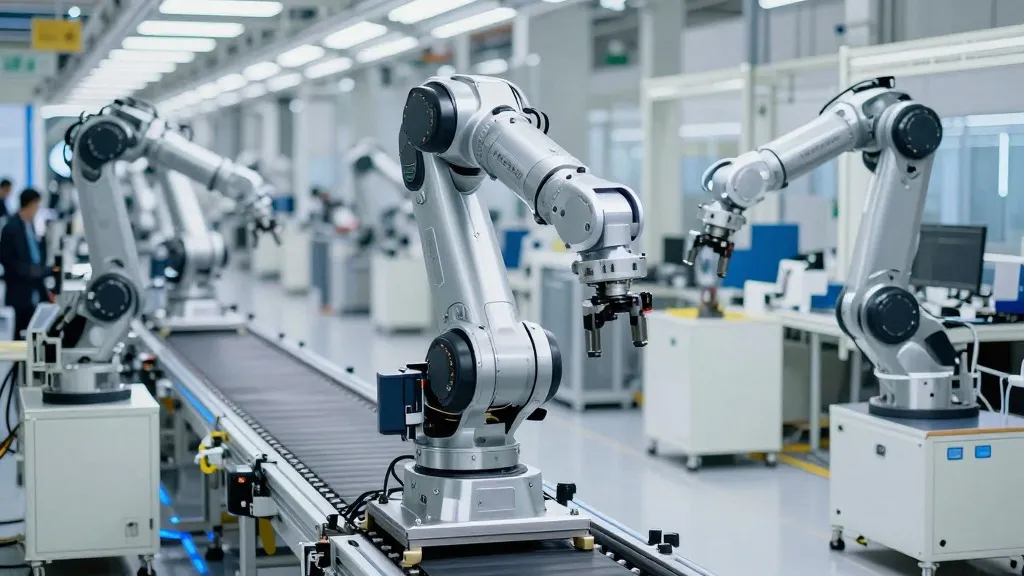
The company has begun early production of the Optimus units on its high-volume assembly line in Fremont, California, the same facility previously used for the Model S and Model X. While Tesla has installed the majority of the infrastructure required to support a theoretical annual output of one million units, Musk noted that reaching a production rate of approximately 20,000 units per week will take at least another year, potentially longer, due to ongoing changes in the design specifications.
A primary focus of the current engineering efforts is the robot’s hands, which Tesla engineers identified as one of the most difficult hardware components to perfect. Musk explained that the fingers must possess enough softness to handle delicate objects while remaining durable enough to withstand constant industrial wear. Unlike human skin, the synthetic materials cannot heal, making longevity a critical challenge. Custom gears also remain a source of reliability concerns for the mechanical system.
On the software side, Tesla is addressing gaps in its AI architecture. Unlike its vehicle fleet, which generates data for its Full Self-Driving program, the robot fleet is still small. To address this, the company plans to build between 10,000 and 20,000 units for an internal "Optimus Academy" where they will practice tasks to gather data. The AI5 chip is scheduled for integration into the Optimus platform around April 2027. Musk also promised a video demonstration within one to two months showing the robot performing unscripted tasks, aiming to move beyond pre-programmed routines.
This latest update follows a pattern of shifting timelines for the Optimus project. In 2024, Musk had suggested high-volume external production could occur by 2026, while earlier statements in January 2025 projected that several thousand robots would be doing useful work by the end of that year. Tesla’s Q3 shareholder letter now describes the units coming off the Fremont line as the first "production-quality" bots, implying that earlier iterations were not considered ready for broad deployment.
Musk asserted that no other company is close to Tesla’s progress in general-purpose humanoid robotics. However, competitors have made notable strides. XPeng activated an automated production line for its IRON robot in Guangzhou in September, with mass production planned for the end of 2026 and deliveries targeted for the first half of 2027. Meanwhile, Boston Dynamics, a subsidiary of Hyundai, began producing its electric Atlas robot in January. The company has committed all its 2026 deployments, including to Google DeepMind, and has opened a training center in Georgia to teach Atlas car part sequencing.
While Tesla may lead in the number of robots built, the industry faces common challenges regarding generalization and durability. Boston Dynamics has adopted a pragmatic approach by prioritizing sturdy grippers for industrial use over human-like dexterity, effectively bypassing the hand issue that currently hampers Tesla. As the technology sector moves forward, the coming months will be crucial in determining whether Tesla can deliver on its new late-2027 promise or if the timeline will extend further.
The next major milestone for Tesla will be the promised video demonstration of unscripted Optimus tasks, expected within the next few months. This will provide the first public look at the robot’s current AI capabilities and mechanical dexterity. Investors and industry observers will closely watch these developments to assess if the late-2027 delivery target is realistic given the historical pattern of delays in the project.
Source: Electrek