Cybercab Sales Launch Before Year-End
Tesla confirms customer deliveries of its autonomous two-seater will begin by December 2026, with most units joining the company's robotaxi fleet.
By Daniela Vargas ·
For Californians and other residents hoping to secure a spot in the autonomous revolution, the wait is officially over. Tesla has locked in a concrete timeline for when its purpose-built Cybercab will be available for purchase, putting an end to months of uncertainty regarding the vehicle's market entry. The company intends to start handing over keys to individual customers before the calendar year ends, marking a significant shift from its earlier focus on internal fleet operations. However, for most potential buyers, the vehicle remains primarily a service rather than a standard personal car, as Tesla plans to retain ownership of the vast majority of units for its robotaxi network.
The definitive schedule emerged during Tesla’s third-quarter 2026 earnings call held on October 21. Lars Moravy, the company’s Vice President of Engineering, provided the specific target date for private sales. He stated that the engineering team is working to have Cybercabs in the hands of customers by the end of 2026. While the production line at Gigafactory Texas is currently active, Moravy clarified that every unit rolling off the line is immediately assigned to Tesla’s internal Robotaxi fleet. This strategic move allows the company to refine its autonomous driving capabilities and fleet management systems before opening the doors to individual ownership.
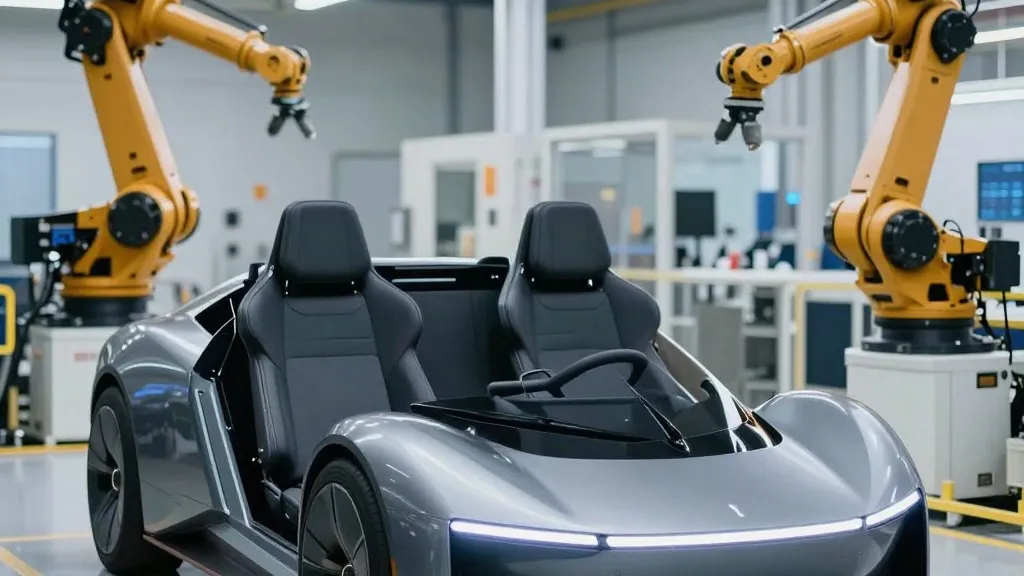
Looking back at the vehicle's development, the Cybercab has been under construction since February 2026. It is a unique two-seater design that eliminates traditional controls like a steering wheel and pedals, relying entirely on Tesla’s Full Self-Driving technology. The vehicle entered public service in early September 2026, when Tesla launched its unsupervised robotaxi rides. Since then, early production units have been deployed within the company's own service network, serving as a real-world testing ground for the autonomous system before it is offered to the general public.
Elon Musk, Tesla’s CEO, reinforced the idea that private ownership will be the exception rather than the rule. He described the Cybercab as a "transport-as-a-service" offering, distinguishing it from traditional models like the Model 3, Model Y, or the upcoming Roadster. According to Musk, the "vast majority" of these vehicles will remain Tesla-owned assets. This business model suggests that while some consumers will buy their own Cybercabs, most people will interact with the vehicle as a ride-hailing service, similar to how they currently use other car-share platforms.
The path to widespread private ownership is not without logistical challenges. Moravy explained that initial customer deliveries will be limited in scale. This phased approach is designed to help Tesla navigate the complexities of delivery logistics, ownership models, and fleet management. By starting small, the company can gain experience in operating autonomous vehicles that are no longer under its direct corporate control. This careful rollout aims to ensure that the ownership experience matches the high standards of the autonomous technology itself.
Regulatory hurdles also play a role in the delivery timeline. Ashok Elluswamy, Tesla’s Head of AI, indicated that unsupervised Full Self-Driving capabilities are expected to ship to consumer cars during the second quarter of 2027. Consequently, early Cybercab buyers or fleet operators may face geographic restrictions on where their vehicles can operate autonomously. These limitations are largely due to the pace at which regulatory agencies are updating their frameworks to accommodate fully driverless transportation. The company is proceeding with deliveries while these regulatory processes continue to evolve.
With the production line running at Gigafactory Texas and the robotaxi service already live in public areas, the infrastructure for the Cybercab is largely in place. The focus now shifts to the customer interface, ensuring that the transition from a corporate fleet asset to a privately owned vehicle is smooth. Tesla’s pricing strategy remains aligned with earlier indications, with the vehicle targeted at a price point of approximately $30,000. As the year draws to a close, the anticipation for the first batch of private Cybercab deliveries builds, signaling a new chapter in personal and public transportation.
Source: Teslarati